
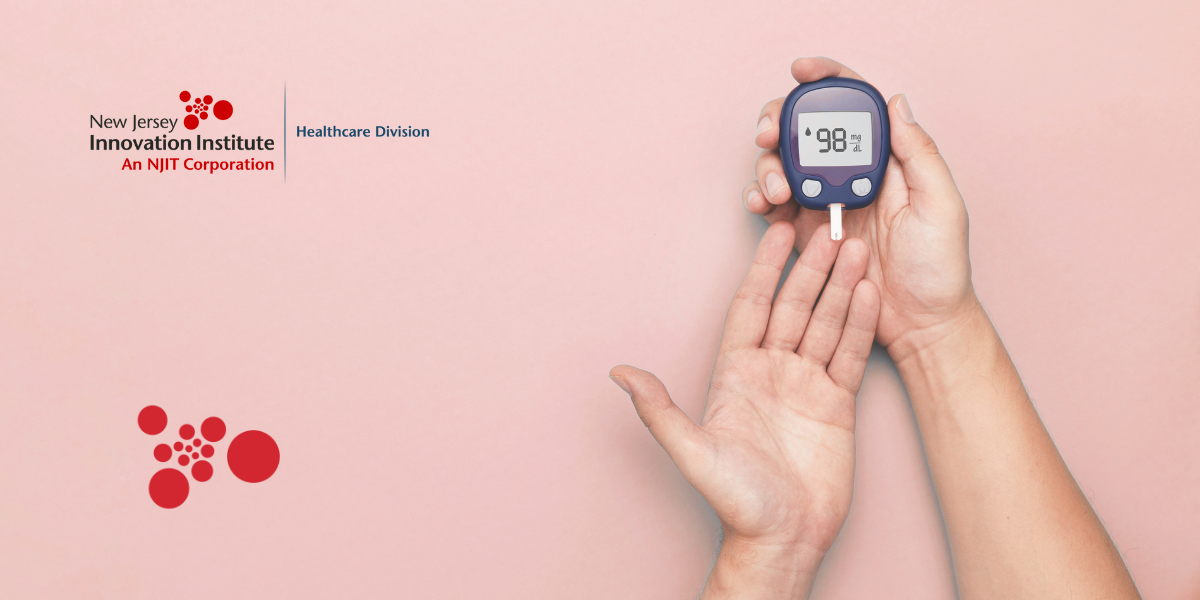
November is Diabetes awareness month. Diabetes is a long-term chronic condition that impacts millions of people globally requiring ongoing management and monitoring. Interoperability, the electronic sharing of health information among various healthcare providers is essential for helping to manage diabetes, as it enables clinicians real-time access to vital patient data, including blood glucose levels, history of medication, and other health indicators.
Health data exchange brings several benefits to diabetes management. One of its primary advantages is improved care coordination among healthcare providers. When healthcare information is shared electronically, all members of a patient’s care team can access comprehensive information, ensuring that treatment is informed by the latest data available, which leads to higher quality patient outcomes.
In addition to care coordination, health data exchange enhances patient safety by helping to reduce the risk of medication errors and adverse drug interactions. This is particularly important for diabetes patients, who often manage multiple medications and complex treatment regimens.
Aggregated health data helps doctors notice trends, track patient progress, and create personalized treatment plans. This approach leads to better care tailored to each patient’s needs.
Technology for sharing health data has also brought innovative ideas to diabetes management. For example, mobile health apps help patients track their blood sugar, get medication reminders, and share their health information with their providers. Continuous glucose monitors give real-time data that can be added to electronic health records, allowing for quick updates to treatment plans.
Patient experience matters in diabetes management, and health data exchange plays a significant role in empowering patients. When patients have access to their health information, they are more likely to follow treatment plans and make necessary lifestyle changes. It also helps them communicate with their healthcare providers, leading to quicker responses to their questions and concerns and enhancing trust in the healthcare system.
Managing diabetes proactively with shared data can lead to fewer hospital visits and better health overall. In summary, sharing health information is key to improving diabetes care by enhancing teamwork, increasing patient safety, fostering innovation, and empowering patients. Everyone has a role in supporting these technologies to help those living with diabetes.